
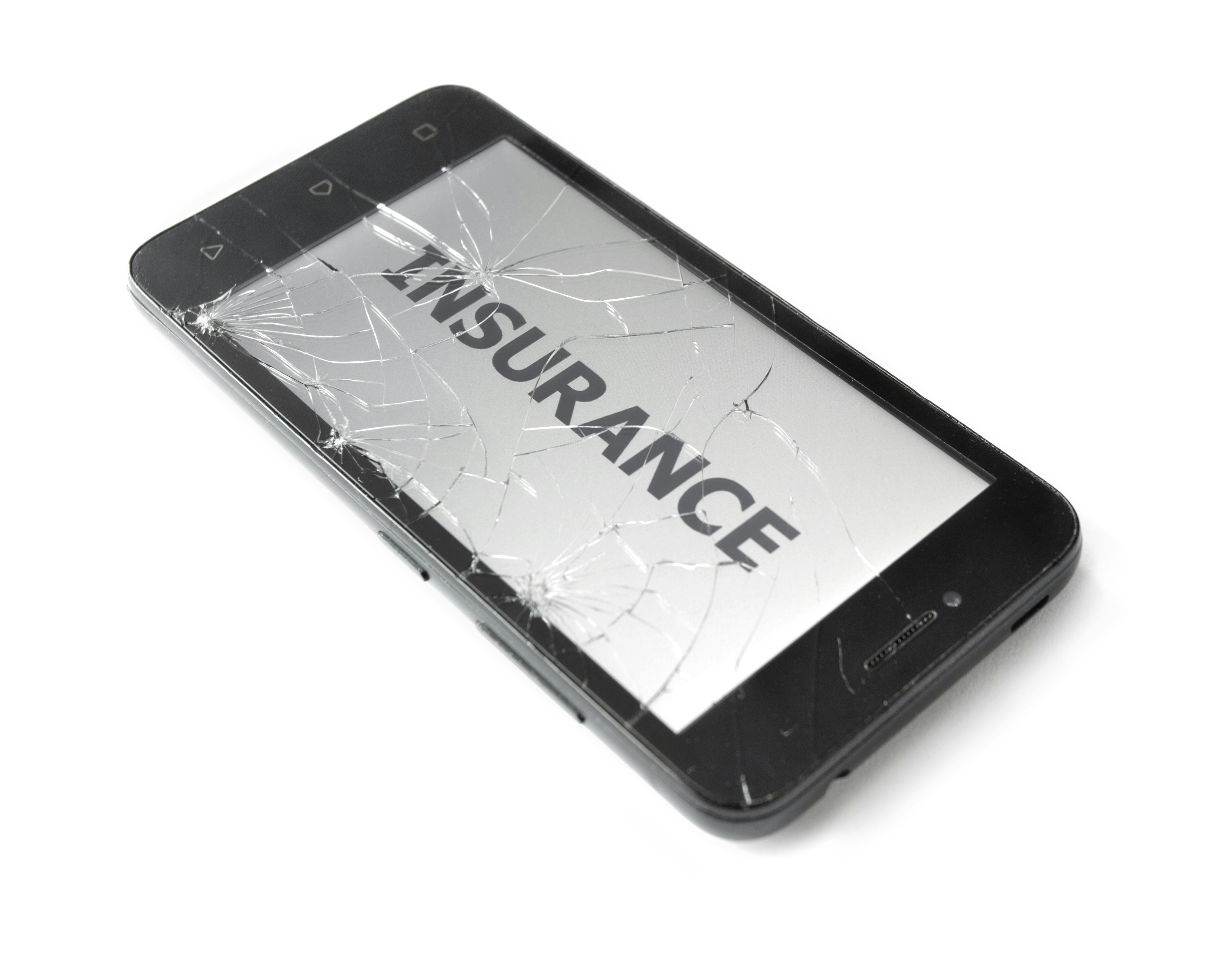
Introduction to Apple Coverage
Apple coverage refers to the various support options provided by Apple Inc. for its diverse range of products, including iPhones, iPads, Macs, and more. This coverage serves as a safety net for consumers, addressing concerns regarding potential damages, defects, or malfunctions that may arise during the product’s lifespan. There are primarily two types of coverage offered by Apple: the standard warranty and AppleCare+. Understanding these options is vital for consumers to make informed decisions about how to protect their investments in Apple products.
The standard warranty, often included with the purchase of an Apple device, typically covers manufacturing defects and hardware failures that occur within a specified period, usually lasting for one year. This warranty does not, however, encompass accidental damage, which is a critical consideration for users who may be prone to everyday mishaps such as drops or spills. Hence, while the standard warranty offers basic protection, it is somewhat limited when it comes to safeguarding against accidental damage.
On the other hand, AppleCare+ is an enhanced insurance plan that provides extended coverage for Apple products. This option includes all the benefits of the standard warranty, while additionally incorporating coverage for accidental damage with a deductible fee. Depending on the device, AppleCare+ may cover incidents involving drops or liquid damage, making it a comprehensive solution for those who seek peace of mind against potential physical mishaps. The ability to extend the coverage period further enhances its appeal to many users.
In upcoming sections, a more detailed examination will be conducted on the distinctions between these coverage types and their respective terms, focusing particularly on the implications for damage coverage, enabling consumers to navigate their options effectively.
Types of Damage Covered by AppleCare+
AppleCare+ offers a comprehensive protection plan that covers a variety of damages that can happen to your Apple devices. One of the most significant advantages of this insurance plan is its coverage against accidental damage. Accidents can happen to anyone, whether it’s dropping your iPhone or accidentally spilling water on your iPad. With AppleCare+, users can protect themselves from the high costs associated with repairs from such incidents.
The most common form of accidental damage is screen damage, which often results from drops or impacts. AppleCare+ provides coverage for screen repairs, allowing customers to pay a service fee—often much lower than the cost of a full repair—whenever they require such maintenance. The plan typically allows for two incidents of accidental damage coverage within a 12-month period, making it a reasonable option for those who may frequently find themselves in need of screen repairs.
In addition to screen damage, users can also rejoice in the protection AppleCare+ offers against liquid damage. Whether your device has experienced exposure to spilled drinks or water, AppleCare+ addresses these kinds of mishaps. The plan includes necessary repairs at a service fee, significantly reducing the financial burden that comes with liquid damage. However, it is essential for users to report the damage promptly to ensure it is covered under their plan.
Overall, AppleCare+ provides a safety net for common mishaps that can occur with devices. By covering various damage types such as accidental, screen, and liquid damage, it enhances the longevity of Apple’s products and gives users peace of mind knowing they have reliable protection at their disposal.
The Cost of AppleCare+
When considering whether to purchase AppleCare+, it is important to evaluate the associated costs carefully. Apple offers its customers two primary payment options for this coverage: a one-time upfront fee or monthly installments. The choice between these options usually depends on the user’s budget preferences and how long they plan to own their device. For instance, if an individual opts for the one-time payment, they can expect a single charge that covers their device for up to two years. This payment amount can vary significantly based on the device type and model, but generally, it falls within a range that addresses the cost of potential repairs and service.
In contrast, the monthly payment option allows customers to spread the cost over time, which can be appealing for those who wish to manage their cash flow more effectively. A common practice is to pay a small monthly fee, which still amounts to a noteworthy total by the end of the coverage term if kept for the full duration. While this payment method may seem more manageable, it could potentially lead to higher total costs over two years compared to the one-time fee, especially if individuals decide to upgrade their devices midway.
Additionally, it is crucial to consider the financial implications of having AppleCare+ versus not having it. Without coverage, repair costs for accidental damage can be substantial. For example, fixing a cracked iPhone screen can cost significantly more than the average price of AppleCare+. By investing in AppleCare+, customers may find peace of mind knowing that they are protected from high repair costs associated with damages or malfunctions. Ultimately, careful budgeting and consideration of personal needs will guide potential customers in deciding the best payment structure for their AppleCare+ coverage.
Limits and Deductibles on Claims
When it comes to AppleCare+, understanding the limits and deductibles associated with claims is crucial for users seeking coverage for damage. AppleCare+ offers users the advantage of additional protection against accidental damage, but this comes with specific restrictions. Each AppleCare+ plan generally allows for a limited number of claims within a specified timeframe. Typically, customers can file up to two claims for accidental damage every 12 months. This limit signifies that users cannot rely exclusively on AppleCare+ for frequent repairs without incurring potential expenses after reaching the claim threshold.
Furthermore, claims associated with AppleCare+ are subject to deductibles depending on the type of damage incurred. For example, repairs for screen damage usually come with a smaller deductible compared to other accidental damages. As of now, the deductible can range from $29 for screen repairs to as much as $99 for other types of accidental damage. It is essential for users to be aware of these deductibles before initiating a claim, as they impact the overall cost-effectiveness of carrying AppleCare+.
Additionally, any claims made under AppleCare+ do not impact the warranty coverage of the device itself. However, users should keep in mind that deductibles are payable at the point of requesting a service. Failing to understand these limits and deductibles may lead to unexpected financial burdens for users, especially if they exceed the limit of claims or are surprised by the out-of-pocket costs associated with their repair needs. Overall, being informed about these aspects can facilitate better financial planning and expectations throughout the life of the device.
How to File a Claim with AppleCare+
Filing a claim with AppleCare+ is a straightforward process designed to assist customers in managing accidental damage to their Apple devices. To initiate a claim, users can choose to utilize the online claim system, visit an Apple Store, or seek support via the Apple Support app. Each option offers a user-friendly approach tailored to individual preferences.
For those opting to use the online claim system, the first step is to visit the Apple Support website. Users will need to log in using their Apple ID, ensuring that the account is linked to the device requiring coverage. Once logged in, they should navigate to the “Get Support” section, select their device, and then choose “AppleCare+”. From there, the system will guide users through a series of prompts to report the issue and initiate the claim process.
If users prefer to visit an Apple Store, it is advisable to schedule an appointment through the Apple Support app or the website. When scheduling the appointment, select the option for a hardware issue or damage. It is essential for customers to bring their device, proof of purchase, and identification for verification purposes. During the appointment, a technician will assess the damage and finalize the claim if eligible for AppleCare+ coverage.
No matter the method chosen, users should ensure that they have relevant documentation at hand. This includes any details regarding the device’s warranty status, AppleCare+ coverage, and receipts for any previous repairs. Gathering all necessary information beforehand will streamline the claims process and help users avoid delays. Should additional assistance be needed, contacting Apple Support via phone or chat is another option for customers to get real-time support and guidance.
Other Coverage Options Beyond AppleCare+
While AppleCare+ provides extensive coverage for Apple products, including repair services for accidental damage and hardware failures, it is not the only option available to consumers. Several third-party insurance and warranty plans exist that may offer alternative forms of protection for Apple devices. Understanding these options can help users make informed decisions regarding their electronic devices’ safety and coverage.
One popular choice among Apple device users is purchasing third-party insurance, which often covers theft, accidental damage, and even loss. These insurance plans typically come with a monthly premium and a deductible. Depending on the specific policy, users may find premiums more affordable than AppleCare+, while still enjoying comprehensive protection. However, it’s essential to read the fine print, as some insurance policies may have limits on what types of damage are covered or require users to use specific repair facilities.
Another alternative is extending a warranty through authorized resellers or electronics retailers. Retailers may offer their own extended warranties that cover repairs after the standard warranty expires. These plans can be appealing due to their flexibility, as they might include services not offered by AppleCare+, such as accidental drops or cosmetic damage. However, these warranties can vary greatly in terms of service quality and extent, so consumers should carefully evaluate their options.
In addition to these alternatives, some users may consider DIY repair options or opting for local repair shops. Although this route may save money, it can void any existing warranties and may not guarantee a high-quality repair. Each coverage option comes with its own set of advantages and disadvantages; therefore, users must weigh these factors and determine which option best fits their needs and budget.
Customer Experiences with AppleCare+
AppleCare+ has garnered a variety of customer experiences, reflecting both satisfaction and challenges faced during the claim process. Many customers express appreciation for the peace of mind that AppleCare+ provides. The added coverage is particularly valued when accidents occur, such as screen damage or water exposure, which can be financially burdensome without insurance. Numerous users report that having AppleCare+ allowed them to repair their devices at a fraction of the cost, emphasizing its role as a vital safety net for daily use.
On platforms such as forums and review sites, customers often share positive experiences highlighting the straightforward claims process. Many noted that making a claim was easier than expected. They appreciated the clear communication from Apple representatives, with many claims being processed quickly, allowing for minimal downtime with their devices. Users frequently praised the in-person service at Apple Stores and the efficiency of repair turnaround times, citing experiences where issues were resolved on the same day.
However, not all experiences with AppleCare+ are favorable. Some customers report difficulty accessing support or encountering longer wait times than anticipated. Additionally, users have expressed frustration regarding limitations associated with coverage, particularly concerning the number of incidents allowed per year. Common complaints include a lack of clarity regarding fees associated with certain repairs. Potential customers must weigh these insights carefully, as these challenges can influence the overall satisfaction rate with the coverage.
Ultimately, while many find that AppleCare+ serves as an invaluable resource, the experiences shared by customers emphasize the importance of understanding the terms and conditions associated with their coverage. Prospective buyers should consider these insights when making decisions about investing in AppleCare+ for their devices.
Tips for Maintaining Your Apple Device to Avoid Damage
Maintaining your Apple device in good condition is crucial for prolonging its lifespan and minimizing the risk of damage. By adopting a few proactive habits and utilizing specific accessories, users can significantly enhance the durability of their devices. Here are several practical tips to consider.
First and foremost, invest in a high-quality case and screen protector. Apple devices, whether it’s an iPhone, iPad, or MacBook, are often prone to scratches and accidental drops. A sturdy case can absorb shocks and safeguard against everyday wear and tear, while a tempered glass screen protector can help prevent cracks and scratches on your display. Make sure the accessories are specifically designed for your device model to ensure a proper fit.
Secondly, be cautious about the environment in which you use your device. Avoid exposing your Apple device to extreme temperatures, high humidity, or dusty settings. Consider keeping it away from liquids, as spills are a common cause of damage. If your device does come into contact with water, turn it off immediately and allow it to dry thoroughly to mitigate potential internal damage.
Additionally, it is essential to handle your device delicately. Always provide a secure grip while using it to prevent accidental drops. When charging, use only certified accessories to reduce the risk of short circuits or battery issues. Regularly clean your device to remove dust and debris, especially from ports and speakers, using a microfiber cloth.
Lastly, ensure that your software is up to date. Keeping the operating system and applications current not only enhances performance but also protects against vulnerabilities that could lead to data loss or damage. By following these preventive measures, you can keep your Apple device functioning optimally and minimize the occurrence of damage.
Conclusion: Weighing the Benefits of Apple Coverage
In assessing whether Apple coverage is a worthwhile investment, it is essential to consider multiple factors that influence individual usage patterns and device needs. Apple offers various coverage options, including AppleCare+ and standard warranties, each catering to different desires and budget constraints. The advantage of AppleCare+ lies in its comprehensive protection against accidental damage as well as hardware malfunctions. Users benefit from reduced repair costs and prioritized service, which can be crucial for individuals who rely heavily on their devices for daily tasks.
Moreover, AppleCare+ provides peace of mind, especially for users prone to accidents or those operating devices in high-risk environments. When weighing the benefits, individuals should also examine their usage frequency. For example, users who regularly upgrade their devices may find less value in extended coverage, while those who retain their devices for longer periods might appreciate the financial protection that AppleCare+ brings. Additionally, considering the potential costs associated with out-of-warranty repairs is necessary, as these can quickly add up and often exceed the investment in coverage.
Customers should also contemplate the extent of their personal technology needs. For frequent travelers or individuals engaged in demanding occupations, the liabilities associated with damaged or lost devices can be significant. In such cases, obtaining Apple coverage may be justified given its extensive protection capabilities. Ultimately, deciding on Apple coverage requires a personalized analysis of risks, usage habits, and financial implications.
In summary, Apple coverage can provide significant benefits for those who frequently use their devices or face risks of accidental damage. However, it is crucial for each individual to evaluate their specific needs and circumstances before making a decision, ensuring that they choose the coverage that best aligns with their lifestyle and budget.